

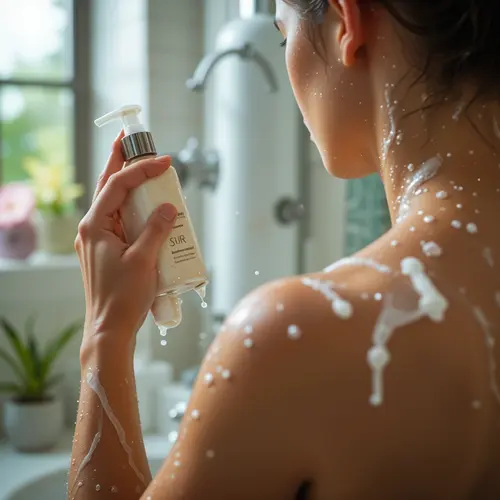
Did you know that up to 50% of adults experience dry skin? This guide will explore the key ingredients to look for in body lotions, comparing luxury and affordable options to help you find the perfect solution for your dry skin needs.
Understanding Dry Skin and Its Needs
Dry skin occurs when your skin loses too much water and oil. This can be caused by factors like genetics, environmental conditions (such as cold weather and low humidity), harsh soaps, and certain medical conditions. When skin lacks moisture, it can become itchy, flaky, and even cracked. Moisturizing is crucial because it helps to replenish the skin’s natural barrier, preventing further moisture loss and keeping it soft and supple (American Academy of Dermatology).
Key Ingredients to Combat Dryness
- Shea Butter: Shea butter is a fat extracted from the nuts of the shea tree, commonly found in Africa. It’s rich in oleic and stearic acids, which are known for their emollient and moisturizing properties. Shea butter helps to hydrate the skin, reduce inflammation, and promote skin elasticity. It’s a popular ingredient in both luxury and affordable lotions due to its effectiveness and versatility (National Center for Biotechnology Information).
- Sunflower Seed Oil: Sunflower seed oil is a lightweight, non-comedogenic oil derived from sunflower seeds. It’s rich in vitamin E and linoleic acid, which help to nourish and protect the skin. Sunflower seed oil is easily absorbed and helps to maintain the skin’s natural moisture barrier. Its non-comedogenic nature makes it suitable for those prone to acne (Healthline).
- Almond Oil: Almond oil is derived from almonds and is a popular choice for treating very dry skin. It’s rich in vitamin E, fatty acids, and antioxidants. Almond oil helps to hydrate and soften the skin, reduce inflammation, and improve skin tone. It’s often used in affordable lotions due to its cost-effectiveness and moisturizing benefits (Medical News Today).
- Hyaluronic Acid: Hyaluronic acid is a humectant, meaning it attracts moisture from the environment into the skin. It can hold up to 1000 times its weight in water, making it an incredibly effective hydrating ingredient. Hyaluronic acid helps to plump the skin, reduce the appearance of fine lines, and improve overall skin texture. It is commonly found in both luxury and affordable lotions (Mayo Clinic).
- Ceramides: Ceramides are lipids (fats) that are naturally found in the skin. They play a crucial role in maintaining the skin’s barrier function and preventing moisture loss. By incorporating ceramides into body lotions, you can help to restore the skin’s natural barrier, improve hydration, and reduce dryness. Ceramides are particularly beneficial for those with eczema or sensitive skin (National Eczema Association).
Luxury Body Lotions: What Makes Them Special?
Luxury body lotions often distinguish themselves through a higher concentration of high-quality ingredients and the inclusion of rare or exotic oils. These lotions frequently focus on providing a heightened sensory experience, incorporating sophisticated fragrances and luxurious textures. For example, some luxury lotions may include ingredients like rosehip oil, which is rich in vitamins and antioxidants, or argan oil, known for its nourishing and anti-aging properties. However, it’s important to note that luxury lotions come with potential downsides, including a higher price point and limited availability.
Affordable Body Lotions: Effective Hydration on a Budget
Affordable body lotions can still provide effective hydration by focusing on key moisturizing ingredients. Look for options that contain ingredients like shea butter, almond oil, and hyaluronic acid. These ingredients are known for their ability to hydrate and nourish the skin without breaking the bank. While affordable lotions may not have the same level of sophistication in terms of fragrance and texture as luxury options, they can still be a great choice for those seeking effective hydration on a budget. One potential drawback is that they may contain synthetic fragrances or potential irritants, so it’s important to read the ingredient list carefully.
How to Choose the Right Lotion for Your Skin
Choosing the right body lotion involves considering your skin’s specific needs and sensitivities. If you have sensitive skin, opt for fragrance-free and hypoallergenic options to minimize the risk of irritation. Additionally, always patch-test new lotions by applying a small amount to a discreet area of your skin to check for any adverse reactions before applying it to your entire body. Consider factors like skin type, allergies, and personal preferences to make an informed decision.
Building Your Body Care Routine
Incorporating body lotion into your daily routine is essential for maintaining hydrated, healthy skin. For best results, apply body lotion immediately after showering or bathing, while your skin is still damp. This helps to lock in moisture and prevent dryness. Pay particular attention to areas that are prone to dryness, such as elbows, knees, and heels.
Frequently Asked Questions
Q: What are the best ingredients for extremely dry skin?
A: For extremely dry skin, look for lotions containing shea butter, ceramides, and hyaluronic acid. Shea butter provides rich moisturization and helps to reduce inflammation (National Center for Biotechnology Information), while ceramides restore the skin’s natural barrier and prevent moisture loss (National Eczema Association). Hyaluronic acid attracts moisture to the skin, providing intense hydration (Mayo Clinic).
Q: How often should I apply body lotion?
A: You should apply body lotion at least once daily, especially after showering or bathing, to lock in moisture and prevent dryness. If you have very dry skin, you may want to apply lotion more frequently, such as in the morning and before bed (American Academy of Dermatology).
Q: Can body lotion help with eczema?
A: Yes, some body lotions can help manage eczema symptoms by providing hydration and restoring the skin’s barrier function. Look for lotions that contain ceramides, which help to repair the skin’s natural barrier and reduce inflammation. However, it’s always best to consult a dermatologist for personalized recommendations (National Eczema Association).
Conclusion
Both luxury and affordable body lotions can effectively combat dry skin, provided they contain the right ingredients. Look for key moisturizing agents like shea butter, sunflower seed oil, almond oil, hyaluronic acid, and ceramides. By understanding your skin’s specific needs and carefully reading ingredient lists, you can find a lotion that keeps your skin hydrated, healthy, and radiant.