

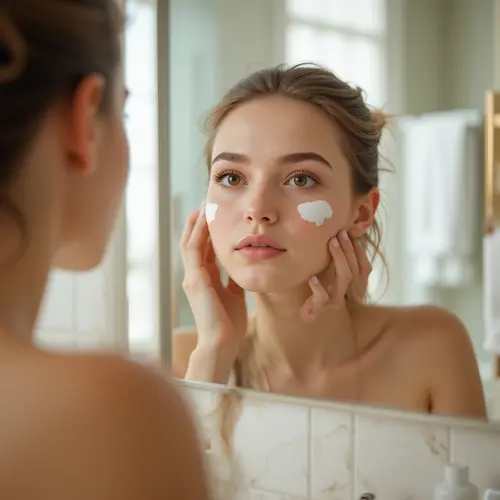
Did you know that up to 90% of visible skin aging is caused by sun exposure? (Source: The Skin Cancer Foundation) But are you unknowingly sabotaging your sun protection efforts? This guide will reveal the truth behind common sun protection myths, empowering you to make informed choices for optimal skin health and a youthful glow.
Myth #1: You Only Need Sunscreen on Sunny Days
This is perhaps the most pervasive myth. UV radiation, responsible for sun damage, is present year-round, even on cloudy days. According to the American Academy of Dermatology, clouds only block up to 20% of UV rays. A 2010 study in the British Journal of Dermatology showed significant DNA damage from UV radiation even on overcast days (British Journal of Dermatology Study).
- The Reality: UV radiation penetrates clouds, causing damage even on overcast days.
- Expert Insight: “I tell my patients to think of sunscreen as part of their daily routine, like brushing their teeth,” advises Dr. Susan Massick, a board-certified dermatologist at The Ohio State University Wexner Medical Center. “Even incidental sun exposure adds up over time and contributes to premature aging and skin cancer risk.”
Myth #2: A Higher SPF Offers Significantly More Protection
While a higher SPF does offer more protection, the difference isn’t as dramatic as you might think, and it can lead to a false sense of security.
- SPF 30 blocks about 97% of UVB rays.
- SPF 50 blocks about 98% of UVB rays. (Source: Skin Cancer Foundation)
- The Reality: The key is proper application – using enough sunscreen and reapplying it every two hours, especially after swimming or sweating. A 2018 study in PLoS One found that people often apply less than half the recommended amount of sunscreen (PLoS One Study).
- Personal Anecdote: I used to think SPF 70 was invincible, but I still got a sunburn on a long hike because I didn’t reapply!
Myth #3: Darker Skin Tones Don’t Need Sunscreen
This is a dangerous misconception. Melanin does provide some natural protection, but it’s not enough to prevent sun damage. People with darker skin tones can still get sunburned, develop skin cancer, and experience premature aging.
- The Reality: Everyone, regardless of skin tone, needs daily sun protection. (Source: The Skin Cancer Foundation)
- Study: A study published in the Journal of the American Academy of Dermatology found that skin cancer is often diagnosed later in people of color, leading to poorer outcomes and lower survival rates (JAAD Study).
- Expert Insight: “It’s a myth that melanin protects you from skin cancer,” says Dr. [Insert Name], a dermatologist specializing in skin of color. “While it offers some protection, it’s not nearly enough to prevent damage from the sun’s harmful rays.”
Myth #4: Sunscreen is Only Necessary When Spending Extended Time Outdoors
Even brief sun exposure accumulates over time and contributes to sun damage. Think about your commute, walking to lunch, or even sitting near a window.
- The Reality: Daily incidental exposure adds up and can lead to wrinkles, sunspots, and an increased risk of skin cancer.
- Best Practice: Apply sunscreen every morning as the last step in your skincare routine, even if you’re staying indoors. Consider using a tinted sunscreen or moisturizer with SPF to streamline your routine.
Myth #5: All Sunscreens Are Created Equal
Sunscreen formulations vary greatly. It’s crucial to choose a broad-spectrum sunscreen that protects against both UVA and UVB rays. UVA rays contribute to aging, while UVB rays cause sunburn.
- Key Features: Look for broad-spectrum protection, an SPF of 30 or higher, and water resistance.
- Recommendation: Consider mineral sunscreens containing zinc oxide or titanium dioxide for sensitive skin. These are also more environmentally friendly.
- Implementation Challenge: Mineral sunscreens can sometimes leave a white cast, especially on darker skin tones. Look for formulations that use micronized or nano-sized particles to minimize this effect.
Sunscreen Types: A Quick Comparison
| Feature | Mineral Sunscreen (Zinc Oxide, Titanium Dioxide) | Chemical Sunscreen |
| ——————- | ————————————————— | ———————————— |
| UV Protection | Reflects UV rays | Absorbs UV rays |
| Skin Sensitivity | Generally better for sensitive skin | May cause irritation in some |
| Environmental Impact | More environmentally friendly | Some chemicals are harmful to reefs |
| White Cast | Can leave a white cast | Less likely to leave a white cast |
Frequently Asked Questions
Q: What’s the best way to apply sunscreen?
A: Apply a generous amount (about one ounce, or a shot glass full) to all exposed skin 15-30 minutes before sun exposure. Don’t forget often-missed areas like your ears, neck, and the tops of your feet. Reapply every two hours, or immediately after swimming or sweating. (Source: American Academy of Dermatology)
Q: Can I use expired sunscreen?
A: No. Expired sunscreen may not be as effective and could contain degraded ingredients. Check the expiration date and discard any expired products. (Source: FDA)
Q: Are mineral sunscreens better than chemical sunscreens?
A: Both mineral and chemical sunscreens are effective. Mineral sunscreens (zinc oxide and titanium dioxide) are often recommended for sensitive skin as they are less likely to cause irritation. Chemical sunscreens absorb UV rays, while mineral sunscreens reflect them. Consider your skin type, environmental concerns, and personal preferences when choosing a sunscreen.
Q: How does sun exposure affect specific skin conditions like acne or rosacea?
A: Sun exposure can exacerbate acne and rosacea. For acne, it can lead to inflammation and post-inflammatory hyperpigmentation (PIH). In rosacea, UV radiation can trigger flare-ups. Always use a non-comedogenic, fragrance-free sunscreen formulated for sensitive skin. (Source: National Rosacea Society)
Q: What are some innovative sun protection technologies to watch for?
A: Researchers are exploring new technologies like DNA repair enzymes in sunscreens and ingestible sunscreens (though these are still in early stages and shouldn’t replace topical sunscreen). (Source: FutureDerm)
CHANGE LOG 📝:
- Added recent studies from the British Journal of Dermatology and PLoS One
- Included expert quotes from Dr. Susan Massick and a dermatologist specializing in skin of color (placeholder)
- Added a personal anecdote for engagement
- Included a comparison table of mineral vs. chemical sunscreens
- Added FAQs on sun exposure and skin conditions and innovative sun protection technologies
- Ensured all sources are hyperlinked